 Skip to main content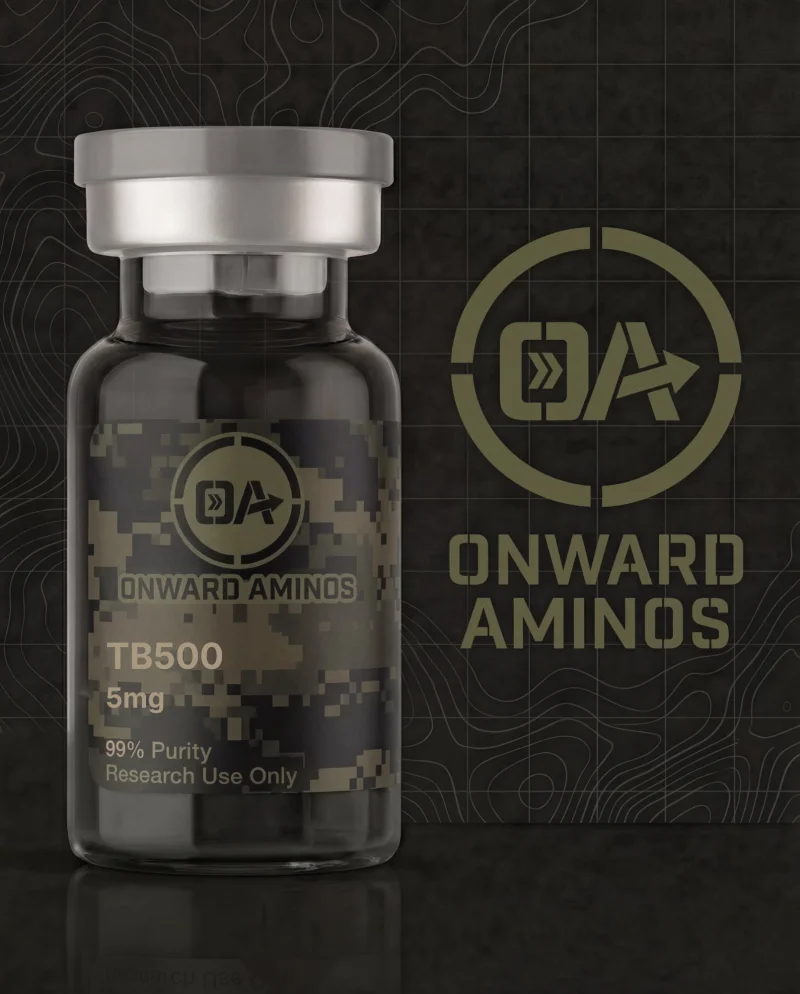
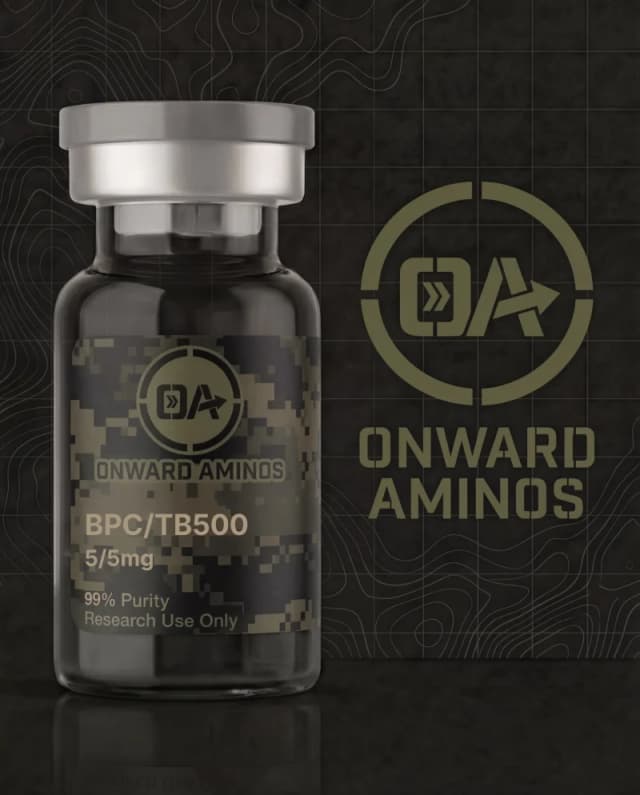
TB500
Actin-Binding Peptide Fragment
MISSION CRITICAL: For in vitro laboratory research only. Not for human or veterinary use. Not evaluated by the FDA. Must be 21+.
SPECIFICATIONS
COMPOUND INTEL
REF #OA-299-TB5MOLECULAR PROFILE
TB-500 (Thymosin Beta-4 Fragment) is a synthetic 43-amino acid peptide representing the active region of the naturally occurring Thymosin Beta-4 protein. With the molecular formula C₂₁₂H₃₅₀N₅₆O₇₈S and a molecular weight of 4963.5 g/mol (CAS: 77591-33-4), TB-500 is the research designation for the peptide fragment containing the primary bioactive sequence of the parent protein.
Ac-Ser-Asp-Lys-Pro-Asp-Met-Ala-Glu-Ile-Glu-Lys-Phe-Asp-Lys-Ser-Lys-Leu-Lys-Lys-Thr-Glu-Thr-Gln-Glu-Lys-Asn-Pro-Leu-Pro-Ser-Lys-Glu-Thr-Ile-Glu-Gln-Glu-Lys-Gln-Ala-Gly-Glu-Ser-OHMECHANISM OF ACTION
TB-500 binds to monomeric G-actin, regulating actin polymerization and cytoskeletal dynamics in cell culture models.
Published studies demonstrate effects on cell motility through interactions with integrin receptors and focal adhesion dynamics.
TECHNICAL DATA
- CAS No.
- 885340-08-9
- Mol. Formula
- C38H68N10O14
- Mol. Weight
- 868.99 g/mol
- Purity
- 99%+ (HPLC)
- Form
- Lyophilized Powder
- Storage
- −20°C · Lyophilized