 Skip to main content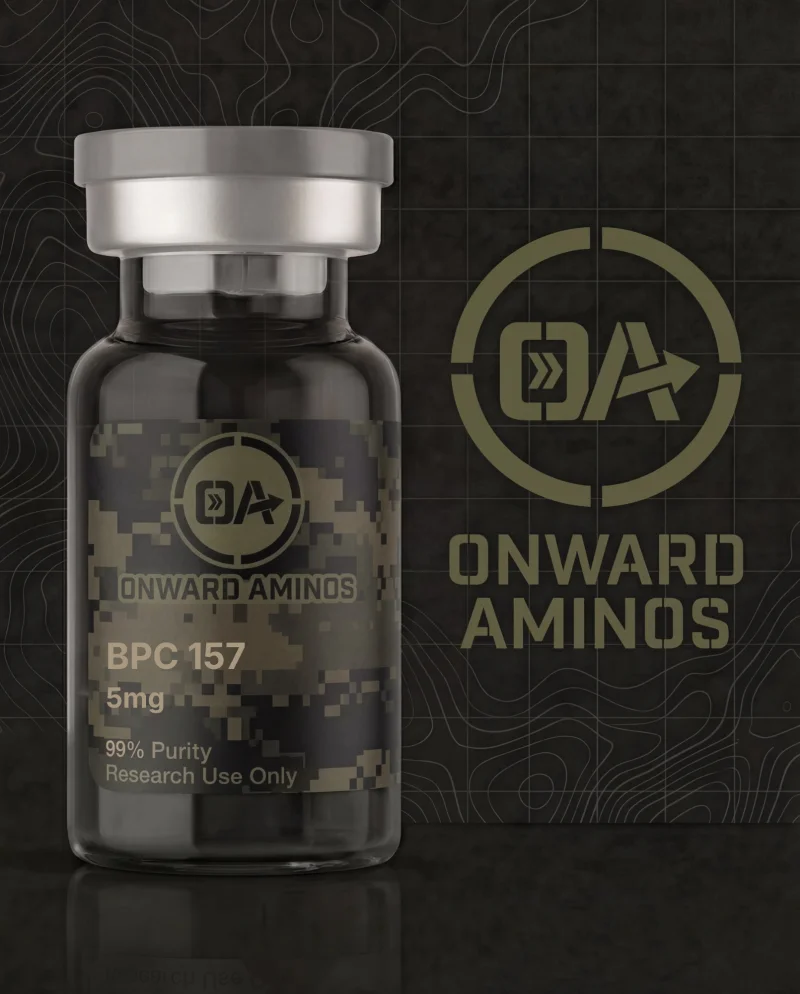
BPC-157
Cytoprotective Peptide
MISSION CRITICAL: For in vitro laboratory research only. Not for human or veterinary use. Not evaluated by the FDA. Must be 21+.
SPECIFICATIONS
COMPOUND INTEL
REF #OA-415-BPC157MOLECULAR PROFILE
BPC-157 (Body Protection Compound-157) is a synthetic pentadecapeptide derived from a partial sequence of human gastric juice protein. With the molecular formula C₆₂H₉₈N₁₆O₂₂ and a molecular weight of 1419.53 g/mol (CAS: 137525-51-0), BPC-157 consists of 15 amino acids. Published research has characterized its interactions with the nitric oxide system, GABAergic pathways, and dopaminergic systems in preclinical tissue models.
Gly-Glu-Pro-Pro-Pro-Gly-Lys-Pro-Ala-Asp-Asp-Ala-Gly-Leu-ValMECHANISM OF ACTION
BPC-157 modulates nitric oxide synthase expression and activity, affecting vascular tone and tissue perfusion in preclinical models.
Published research indicates interactions with vascular endothelial growth factor and fibroblast growth factor signaling cascades in tissue culture studies.
BPC-157 has been shown to influence dopaminergic and GABAergic neurotransmission in neuronal cell culture models.
TECHNICAL DATA
- CAS No.
- 137525-51-0
- Mol. Formula
- C62H98N16O22
- Mol. Weight
- 1419.56 g/mol
- Purity
- 99%+ (HPLC)
- Form
- Lyophilized Powder
- Storage
- −20°C · Lyophilized
Scientific Context